10 Best Sconces Lights for Every Room in 2026
Sconces Lights can change how a room feels without taking up a single inch of floor space. A pair beside a bed creates a calm reading glow; one near a hallway mirror adds useful light and a little depth. But choosing well takes more than matching a finish to a faucet. Height, shade direction, bulb warmth, and the room’s existing light all matter. Small details count.
Lighting designer Randall Whitehead has described lighting as “the jewelry of the home.” It is a memorable idea, though a beautiful fixture still needs to work. This guide to the 10 best sconces for every room in 2026 looks at both appearance and everyday performance, including light distribution, dimming options, installation needs, and suitability for different spaces. A wall test tells more than a product photo.
The right choice depends on the task. A bedside sconce should be easy to reach and comfortable to read beneath; a bathroom fixture needs to give a clear, even glow around the mirror. In a narrow entry, a compact shade may keep the walkway feeling open. There is no single perfect pick. Room size, wall material, and personal taste can change the answer, and some options may look better online than they do at home. These recommendations offer a practical starting point, not a substitute for checking measurements and product specifications before buying.
Understanding Wall Sconces and Their Lighting Roles
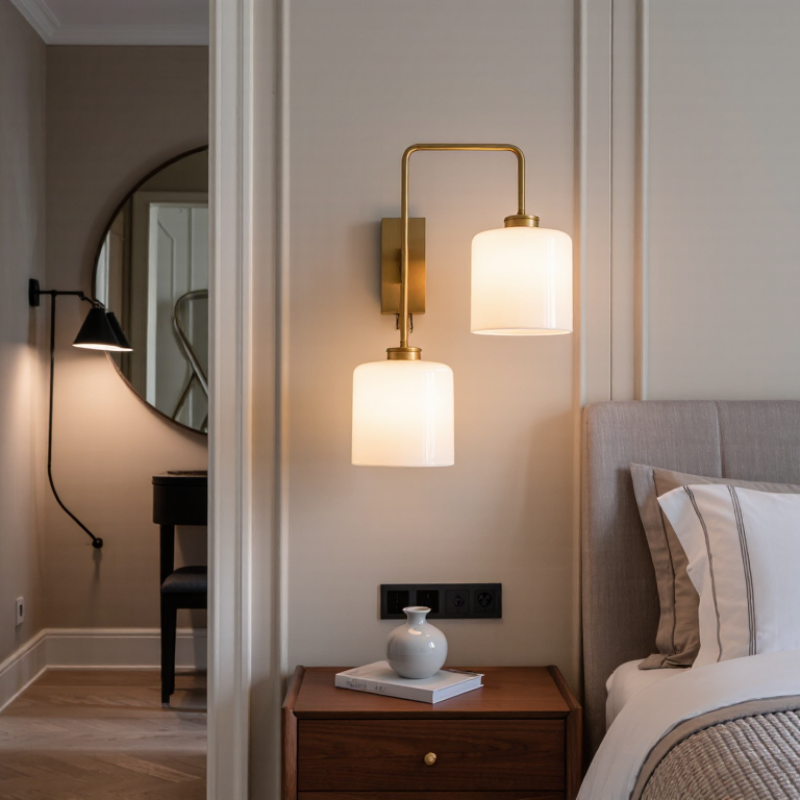
Wall sconces do more than decorate a blank wall. They can provide ambient light, focused task lighting, or a soft accent that brings out texture in brick, paint, or artwork. The role depends on placement and direction. A pair beside a mirror can reduce harsh shadows on the face, while a shaded fixture near a reading chair should aim light toward the page, not into the reader’s eyes. Small adjustment. Big difference.
For comfort, consider brightness, glare, and control before choosing a fixture. The Illuminating Engineering Society’s lighting guidance emphasizes matching light levels to the task and the space; one brightness setting rarely suits every room. A dimmer helps shift a hallway from bright evening circulation to a gentler late-night glow. I still find placement easy to underestimate: a sconce mounted too high can shine directly into your view. Check the bulb position while seated and standing.
Efficiency matters, too. The U.S. Department of Energy’s Energy Saver guidance says LED bulbs use at least 75 percent less energy and can last up to 25 times longer than incandescent bulbs. That makes LEDs a practical option for sconces used for several hours each evening. Yet the most efficient fixture can still feel uncomfortable if its light is exposed or poorly aimed. Consider the room’s real routines, not just the fixture’s appearance.
Sconce Light Output: Choosing Lumens for Each Role
Typical LED bulb output levels matched with common wall-sconce uses. The best brightness depends on fixture shade, placement, and room lighting.
The lumen values are approximate LED equivalents of traditional 40W, 60W, 75W, and 100W incandescent bulbs. For reading or grooming, use a suitable task light and avoid glare.
Key Factors for Choosing Sconces in 2026
Choosing a wall sconce in 2026 starts with the job it must do, not its silhouette. Beside a bed, a shielded, adjustable fixture can light a page without shining into a partner’s eyes. In a hallway, two modest sconces spaced evenly often feel calmer than one bright fixture. Small details matter. Check the mounting height against seated and standing sightlines. Leave clearance around doors, curtains, and shelves. For bathrooms, confirm the fixture’s damp- or wet-location rating suits its distance from water. A beautiful finish cannot make an unsuitable fixture safe.
Compare light output, color quality, and controls before choosing a material. Around 2700K to 3000K usually gives living areas a warm tone. A high color-rendering index helps skin and paint look more natural. Dimming is useful, but verify that the lamp, driver, and dimmer work together; flicker can be irritating at low settings. Test it at night. Hardwired models create a neat finish, while plug-in versions can suit rentals or rooms where wiring changes are difficult. Measure the backplate and locate the junction box, since a fixture can crowd nearby trim. Finish samples may also look different under your own bulbs, something product photos rarely reveal well.
The 10 Best Sconce Lights by Room and Use
The best sconces solve a specific lighting problem, not just an empty-wall problem. Beside a bed, an adjustable swing-arm fixture directs light onto a book without flooding the room. For bathroom mirrors, choose diffused vertical sconces that reduce harsh facial shadows. Check the fixture’s damp-location rating and follow local electrical requirements. Small details matter.
In hallways, compact sconces with covered bulbs limit glare at eye level. Along stairs, shielded fixtures cast useful light onto each step. An entryway often benefits from an upward-and-downward design that adds gentle wall definition. In living rooms, dimmable sconces can soften the contrast between a bright television and a dark wall. A reading nook calls for an adjustable head; a home office needs controlled task lighting that does not reflect on a screen. For kitchens, place wall lights where they support prep areas without competing with ceiling lights. Outdoors, select fixtures rated for their actual exposure to rain and moisture.
Before buying, measure the wall space and note nearby doors, mirrors, and furniture. A shade that looks balanced online may feel bulky beside a narrow bed. I have found that lumen output alone can mislead: beam direction and shade material change how bright a room feels. Warm, even light is often comfortable, but personal preference still matters. Test placement with painter’s tape before drilling.
Installation, Safety, and Maintenance Essentials
Before installing a wall sconce, check the wall structure, wiring location, and fixture instructions. Measure from the floor and nearby furniture; a paper template helps reveal awkward glare before drilling. For hardwired fixtures, switch off the circuit at the breaker and confirm the wires are not live with a suitable tester. If wiring is unfamiliar or damaged, use a qualified electrician. Guessing is not a safety plan.
Keep the fixture clear of curtains, bedding, and shelves that could trap heat. In bathrooms or covered outdoor areas, choose a sconce rated for the location’s moisture exposure. Follow the specified mounting method, and make sure the electrical box can support the fixture’s weight. This detail is easy to overlook. A sconce that looks level in daylight may cast distracting shadows at night, so test its position with a lamp or temporary light when possible.
Maintenance is simple but should be regular. Turn off the power before cleaning, let the bulb cool, and wipe the shade with a soft, dry cloth. Check for loose screws, flickering, discoloration, or a warm switch plate. Stop using the fixture if you notice a burning smell or damaged wiring, and arrange an inspection. Dust gathers faster on upward-facing shades than expected; I would check those more often, even if that routine is easy to forget.