10 LED Fixtures Buying Tips for Global Buyers
Buying Led Fixtures for international projects requires more than comparing wattage and unit prices. A product may look efficient on a catalog page, yet perform differently in a humid warehouse, retail store, or outdoor loading area. Global buyers must examine light output, color consistency, heat management, controls, packaging, and after-sales support together. Small details matter.
A reliable evaluation starts with the application. Measure ceiling height, mounting distance, operating hours, ambient temperature, and maintenance access. Request verified photometric data, test reports, warranty terms, and sample units before placing a large order. Check whether the driver, housing, lens, and connectors suit the intended environment. A bright fixture is not always the right fixture.
Supplier experience also deserves careful attention. Ask how products are tested, how defects are handled, and whether replacement parts remain available. Review production photographs, inspection records, and references from comparable projects. Certifications should be relevant, current, and independently verifiable. Do not accept attractive claims without evidence.
Mistakes still happen. A sample can pass while a bulk shipment varies slightly in color or finish. Logistics delays can disrupt installation schedules. Even experienced buyers may underestimate local voltage conditions or cleaning requirements. That is why clear specifications, staged inspections, and written acceptance criteria are valuable. They create accountability without slowing every decision.
This guide presents ten practical buying tips for global buyers. It focuses on performance, supplier credibility, total cost, and project reliability. The goal is not to find the cheapest Led Fixtures. It is to choose lighting that remains dependable after delivery, installation, and years of daily operation.
Define LED Fixture Types and Efficacy: 80–200 lm/W Across Commercial Models
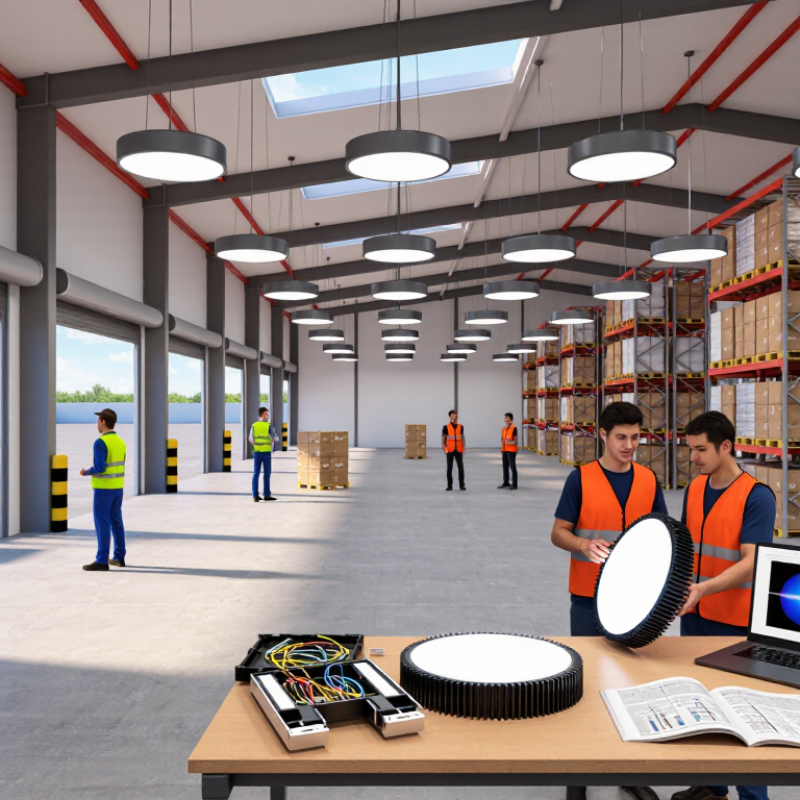
Commercial LED fixtures are not one product class. Troffers suit offices, high bays serve warehouses, and linear pendants fit retail interiors. Their useful efficacy usually ranges from 80 to 200 lm/W. The U.S. Department of Energy’s Solid-State Lighting R&D Opportunities report (2023) notes that advanced LED packages can exceed 200 lm/W in laboratories. Installed fixtures perform lower because optics, drivers, thermal limits, and controls reduce output. That gap matters.
Tip: Compare delivered lumens, not LED-chip claims. Ask for tested fixture efficacy, color temperature, CRI, flicker data, and a photometric file. The DesignLights Consortium SSL Technical Requirements, Version 6.0, also separates performance by fixture category. This prevents a high-bay figure from being compared unfairly with a recessed office panel. Small detail. Big difference.
In procurement reviews, 100–150 lm/W is often a practical commercial target. Higher figures can be legitimate, but they may involve cooler color temperatures or limited optics. Check the warranty conditions and ambient-temperature rating. A warehouse fixture rated at 160 lm/W may deliver less in a dusty, hot ceiling space. I have seen buyers focus on wattage and miss glare, maintenance access, and uneven floor lighting. That is a costly oversight. Independent test reports improve confidence, though no report replaces a site trial.
10 LED Fixture Buying Tips for Global Buyers: Fixture Types and Typical Efficacy
Compare typical commercially available efficacy ranges for major commercial LED fixture categories. Actual performance varies with optics, color temperature, driver efficiency, thermal design, dimming, and certification requirements.
Buying guidance: For commercial projects, compare delivered system efficacy in lumens per watt rather than LED-chip efficacy alone. High-bay and street-light fixtures commonly reach the highest levels, while decorative and tightly controlled optical designs may prioritize appearance or beam quality over maximum efficacy.
Verify Lifetime and Reliability: L70 Ratings Commonly Reach 50,000 Hours
When buying LED fixtures internationally, treat the L70 rating as a performance reference, not a failure date.
L70 means the fixture may produce 70% of its initial light after the stated operating period. A common claim is 50,000 hours, but actual results depend on temperature, current, installation, and maintenance.
That distinction matters.
In project reviews, I check whether the rating applies to the complete fixture or only the LED package. Reliable documentation should identify test methods, operating temperatures, driver details, and expected ambient conditions. Look for LM-80 data and TM-21 projections where applicable. These records do not remove every risk, but they make the claim easier to evaluate.
Heat changes everything.
A fixture installed beneath a hot roof may age faster than one operating in a cool warehouse. Ask suppliers for test reports, warranty terms, lumen-maintenance data, and the rated temperature range. Confirm whether dust, humidity, or frequent switching affects the specification. I have found that buyers sometimes compare only the 50,000-hour figure, missing the driver’s shorter service life. That is an imperfect approach. A practical assessment should consider light output, electrical stability, replacement access, and the cost of downtime. Also, verify whether the published hours are based on laboratory conditions rather than your actual site.
Check Global Compliance: IEC 60598, CE, UL, and IP65 Requirements
When buying LED fixtures globally, compliance should be checked before comparing price or appearance. IEC 60598 covers safety requirements for luminaires, including insulation, heat resistance, wiring, and mechanical strength. Ask for the relevant test reports, not only a printed standard number. A reliable supplier should identify the exact fixture model and testing laboratory.
Tip: Treat CE correctly. It is a manufacturer’s declaration that the product meets applicable European requirements, not a universal quality certificate. Request the Declaration of Conformity, technical file details, and applicable test standards. For North American projects, check whether UL evaluation covers the complete fixture, its power supply, and intended installation. A component-level approval may not cover the finished product.
IP65 means protection against dust ingress and low-pressure water jets. It does not mean the fixture can be submerged. Confirm the test conditions, cable glands, seals, and installation angle. Ask whether the rating applies after assembly, not just in a laboratory sample. Small details matter.
Tip: Review markings on the housing. They should match the documents and purchase specification. I have seen projects delayed because voltage, temperature, or mounting information differed between labels and reports. That mistake is easy to miss. Keep a written compliance checklist, and allow time for independent verification when documents look incomplete or unusually vague.
Compare Total Cost: LEDs Can Reduce Lighting Energy Use by Up to 75% (DOE)
10 LED Fixtures Buying Tips for Global Buyers
The purchase price is only one part of an LED fixture’s total cost.
Include freight, customs, installation labor, controls, maintenance, and future replacement. The U.S. Department of Energy reports that LEDs can reduce lighting energy use by up to 75%. Actual savings depend on operating hours, existing equipment, and electricity rates. A warehouse running fixtures for ten hours daily may save more than a small office with limited use. Measure before ordering.
Tips:
Request a complete cost worksheet from each supplier. Compare wattage, useful light output, rated life, warranty terms, and driver replacement costs. Check whether the fixture suits the local voltage, frequency, temperature, and mounting method. A low-priced product may need extra adapters or frequent service. That changes the calculation. Ask for test reports from recognized laboratories, but verify their scope and date. Photometric files also help confirm light levels in aisles, workstations, or outdoor areas.
Do not judge efficiency from wattage alone. Compare lumens per watt and inspect glare, color consistency, and emergency performance. In real projects, poor placement can waste efficient light. Controls may reduce consumption further, yet sensors need correct settings and regular checks. Build a simple payback model using conservative energy prices. I would also test a small sample area before a global rollout. The first estimate may look excellent, but field conditions often expose missing labor or maintenance costs.