7 Tips for Choosing Zinc Die Cast Parts
Choosing Zinc Die Cast Parts is not just a matter of comparing unit prices. A component that looks inexpensive on a quote may require extra machining, coating, or inspection. Good fit starts with the part’s job: load, temperature, movement, and expected service life. Small details matter.
A die-cast housing with thin ribs, for example, may reduce weight, but poorly planned transitions can create filling or strength concerns. Ask suppliers about suitable zinc alloys, draft angles, minimum wall sections, and realistic tolerances for the intended geometry. Then review surface requirements. A bright plated finish can look excellent, yet it may add cost and demand tighter process control. Not always. Tooling cost should be weighed against annual volume, expected design changes, and the cost of defects. Supplier experience with similar parts can also reveal practical design limits. Check lead times and quality procedures before committing to a production schedule. Request samples or inspection data when possible, and confirm how critical dimensions are measured. These checks make comparisons more useful than a price alone. No checklist is perfect. Early prototypes sometimes reveal issues that drawings miss, so allow room to reassess assumptions. A thoughtful selection process balances performance, manufacturability, appearance, and long-term supply. The tips below help buyers ask sharper questions and choose Zinc Die Cast Parts with fewer surprises.
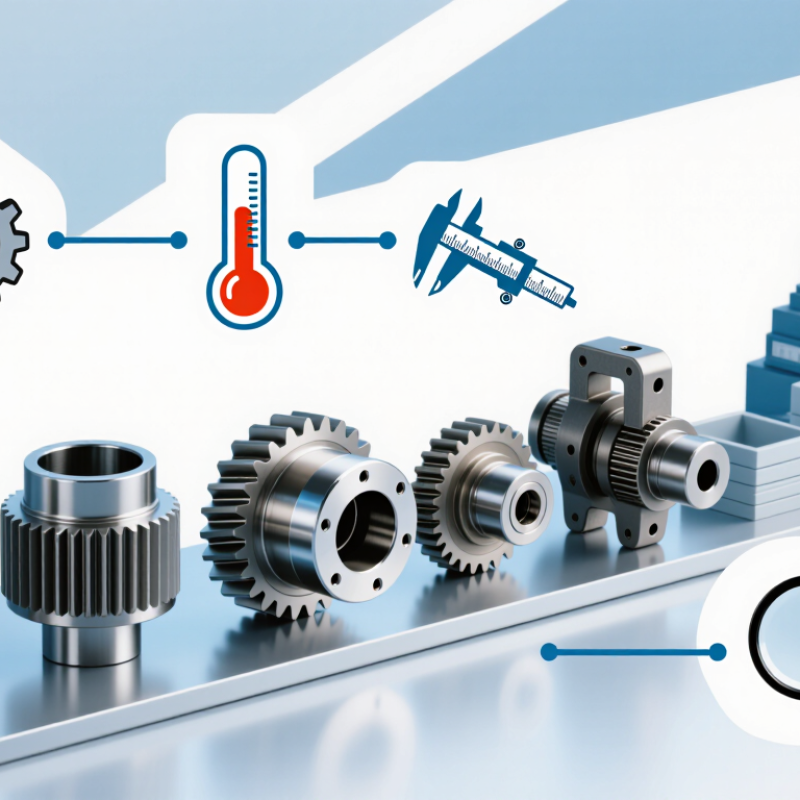
Define the Part’s Function and Operating Conditions
7 Tips for Choosing Zinc Die Cast Parts
Define the Part’s Function and Operating Conditions
Start with what the part must do, not just its shape. Does it hold a load, guide a moving component, or protect an electrical connection? A small latch may face repeated impacts, while a housing may need stable mounting points and precise mating surfaces. These differences affect wall thickness, ribs, bosses, and tolerances.
Map the real operating conditions. Note the expected temperature range, load direction, vibration, moisture, and contact with oils or cleaning fluids. Zinc alloys can lose strength at elevated temperatures, so assess the part at its actual service temperature. For damp or chemically exposed settings, review the full surface-protection system; zinc alone does not guarantee lasting corrosion resistance. Test representative samples when conditions are uncertain.
Check how the part behaves over time. A component that fits during assembly may loosen after repeated cycling or thermal changes. Include the mating parts in the evaluation. Small details matter. It is easy to focus on peak load and overlook a frequent, modest force that causes wear. That assumption deserves a second look. Record what is known, flag what is estimated, and validate critical dimensions and performance under realistic use.
7 Tips for Choosing Zinc Die Cast Parts
Tip 1: Define the Part’s Function and Operating Conditions
Temperature changes can affect clearances and fit. Compare thermal expansion when selecting materials for parts that mate or move together.
Values are typical approximate coefficients of linear thermal expansion in µm/m·°C. Actual values vary by alloy and temperature; confirm the selected material’s datasheet for design use.
Compare Zinc Alloys and Die-Casting Processes
Zinc alloy selection should begin with the part’s job, not a catalog ranking. Zamak 3 is widely used for its balance of castability, dimensional stability, and surface finish. Zamak 5 adds strength and hardness, but its reduced ductility can matter around clips or thin tabs. Check the alloy’s published properties and confirm them against the supplier’s specification.
Hot-chamber die casting is common for zinc because the metal melts at a relatively low temperature. The injection mechanism sits in or near the molten metal, supporting quick cycles and consistent production. Cold-chamber casting may suit particular alloy or part requirements, but it is not automatically an upgrade. Ask the foundry why it recommends that process. Gate location, venting, and die temperature can affect fill quality and visible surface marks.
Compare real samples, not just process descriptions. A thin rib beside a thick boss may fill differently from a flat test coupon. That matters. Request measurements on critical features, plus details on porosity, finish, and expected production volume. A tighter tolerance can raise tooling and inspection demands without improving the part’s function. The comparison is not always neat; early trials may reveal that an alloy or casting choice needs revision.
Evaluate Design, Dimensions, and Surface-Finish Requirements
A zinc die cast part should be designed around how it will be made and measured. The International Zinc Association’s Zinc Die Casting Design Guide reports that walls as thin as 0.5 mm (0.020 in) can be achievable under suitable conditions. Treat that as a capability, not a default: long, thin sections may fill unevenly or distort. Check the proposed wall thickness with the foundry, especially around ribs, bosses, and screw posts. Keep walls reasonably uniform where possible. Small changes matter.
Dimensions need the same care. NADCA’s Product Specification Standards for Die Castings provide tolerance tables tied to factors such as part size and parting-line location; avoid placing critical fits across a parting line. Mark functional dimensions and datum surfaces clearly, then confirm the inspection method before tooling begins. Surface finish deserves equal attention. Specify whether a surface is cosmetic, sealing, or simply functional, and identify where gates, ejector marks, or machining are acceptable. A smoother finish may require extra processing. I have seen teams over-specify hidden faces, then pay for finish that no user sees. Review the drawing once more with the supplier; one missed note can reshape the whole quote.
Check Quality Standards and Supplier Capabilities
A supplier’s certificate is useful, but it does not prove that a zinc die cast part will meet your drawing. Grand View Research estimated the global die casting market at USD 80.45 billion in 2023, reflecting a large, competitive supply base. Compare suppliers on process control, not presentation. Ask for current ISO 9001 certification, inspection plans, and examples of corrective-action records. Then check whether those systems cover the specific machine, alloy, and production site making your parts.
NADCA’s 2024 Product Specification Standards organize recommendations around factors such as alloy, casting size, and dimensional tolerances. Use them to discuss realistic tolerances before tooling begins. Request a first-article report with measured results for critical features, such as mounting holes, wall thickness, and flatness. Ask how the supplier monitors variation during production, and whether it can provide capability data for those features. See the inspection equipment, too. A caliper on a busy bench may not suit every tight tolerance. Review traceability from alloy batch to finished lot, plus the plan for handling porosity or recurring dimensional drift. A polished audit file can still miss a weak handoff between shifts. Check the details, and leave room to challenge your own assumptions about what “good enough” means.
Compare Total Cost, Lead Time, and Production Volume
Choosing zinc die cast parts by unit price alone can distort the budget. Compare tooling, machining, finishing, inspection, packaging, and freight in one estimate. A part quoted at a lower price may need extra trimming or coating. Ask suppliers to state what each quote includes. Check whether tooling maintenance and sample revisions are included, too. Small charges add up.
Lead time depends on more than the casting cycle. Tool design, mold trials, approval samples, and finishing can shape the launch schedule. For a short run, tooling costs may outweigh savings from fast production. At higher volumes, those costs spread across more parts, but only if demand is steady. Forecasts change. One estimate can still mislead.
Tip: Compare costs at several order volumes, such as 500, 5,000, and 50,000 parts. Ask for expected tooling and sample dates, plus the production rate after approval. Confirm the assumptions behind each figure, including scrap rates and finish requirements. If your forecast is uncertain, say so. It may be wiser to revisit the volume breakpoints than to commit to a large order too early.