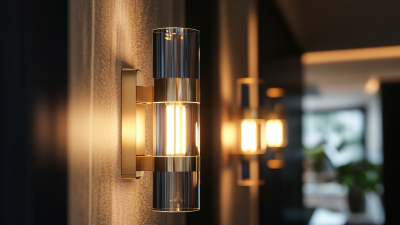
How to Source the Best Sconces Lights Worldwide?

Sourcing the best Sconces Lights worldwide requires more than comparing prices and polished product photographs. A wall light must perform quietly over years, fit local electrical systems, and support the room’s visual purpose. The International Energy Agency has reported that lighting uses roughly 15% of global electricity consumption, making efficiency a serious purchasing issue, not merely a design preference. The U.S. Department of Energy also states that LED lighting can use at least 75% less energy than incandescent lighting. These figures change how buyers should evaluate every fixture.

A reliable sourcing process begins with measurable specifications. Check lumen output, color temperature, color rendering index, beam angle, dimming compatibility, and rated lifetime. A warm 2700K fixture may suit a hotel bedroom, while 3000K can create sharper definition in a retail corridor. Ask suppliers for photometric files, material samples, test reports, and production references. IEC 60598-1 provides a recognized foundation for luminaire safety, but market approvals still vary. Products entering North America may require UL or ETL certification, while European distribution commonly involves CE compliance. Never treat one logo as universal proof.

Supplier quality deserves equal attention. Review factory audits, traceability records, replacement-part policies, packaging tests, and warranty terms. Request a pre-production sample. Then inspect wiring, finishes, mounting plates, and heat management under realistic conditions. No sourcing method is flawless. Even experienced buyers can overvalue appearance and underestimate installation labor. That is why transparent communication, independent verification, and small pilot orders matter. The best Sconces Lights combine dependable engineering, responsible manufacturing, and an honest understanding of how people will use them.
How to Source the Best Sconces Lights Worldwide?

Understanding Sconce Lights, Styles, Materials, and Applications

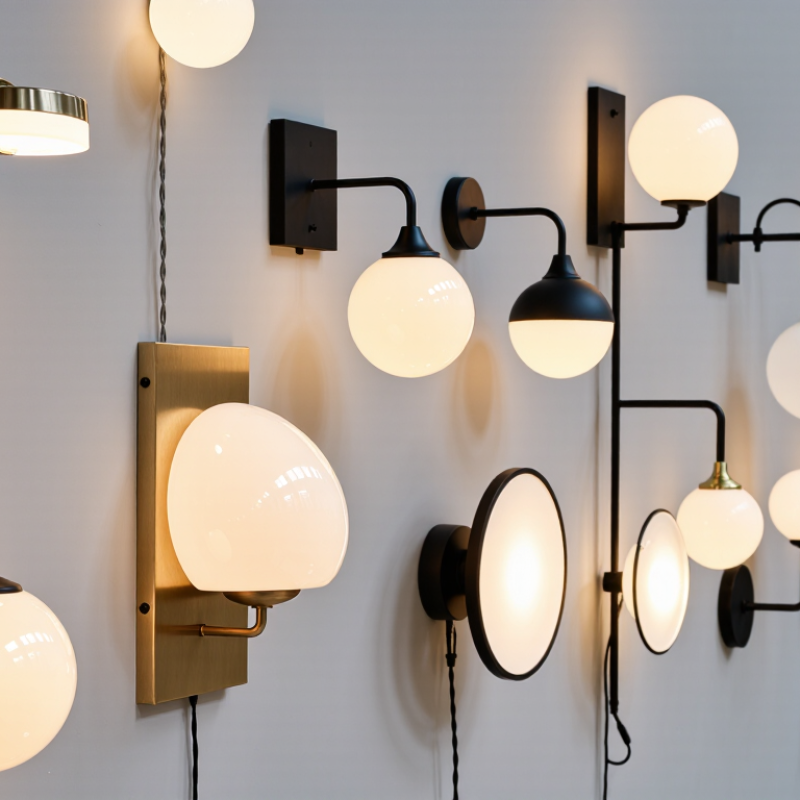
Sconce lights combine practical illumination with wall-level decoration. Their form can be traditional, minimalist, industrial, or sculptural. A shaded sconce softens bedroom light, while an exposed bulb suits a hallway or café-style interior. In my sourcing experience, proportions matter more than photographs suggest. A deep backplate may look attractive online but feel crowded beside a narrow doorway.

Materials affect appearance, weight, maintenance, and lifespan. Powder-coated steel handles frequent cleaning, while brass develops a warmer surface over time. Glass shades create clearer light but require careful packaging during international shipping. For bathrooms or covered outdoor areas, check the fixture’s protection rating and confirm compatibility with local electrical requirements. Small details matter.

Tips: Request physical samples before placing a large order. Test the mounting plate on the intended wall. Measure the shade at eye level. Ask suppliers for material specifications, wiring details, installation instructions, and quality-control records. Product images can hide uneven finishes. I have trusted them too much before. A warm white lamp often feels comfortable, but color temperature should match the room’s purpose. Reading areas need controlled brightness, while restaurants may benefit from softer, layered illumination. Also inspect spare parts availability, packaging strength, and lead times before comparing prices. A cheaper fixture can become expensive after replacements, delays, or difficult installation.

Identifying Global Markets and Reliable Sconce Light Suppliers

Sourcing the best sconces worldwide starts with market discipline, not attractive photographs. The International Energy Agency reports that lighting uses about 15% of global electricity. This makes efficiency a commercial requirement, not merely a design preference. Suppliers in established manufacturing regions often offer deeper component networks and stronger export experience. However, location alone proves little. Request factory audits, production records, material declarations, and recent test reports before comparing prices.

A reliable supplier should explain lumen output, color temperature, beam angle, IP rating, and driver performance. Ask for a sample with the final finish, wiring, screws, and packaging. Small details reveal large risks. The U.S. Department of Energy states that LED products use at least 75% less energy and last up to 25 times longer than incandescent lighting. Still, poor thermal design can reduce real service life. This is where many buying decisions become too optimistic. Require testing against relevant IEC 60598 requirements through an independent accredited laboratory, and verify every certificate directly.

Tips: Build a three-market shortlist. Score each supplier for sample accuracy, defect response, lead time, documentation, and after-sales support. Keep 10% schedule allowance for finish revisions or customs delays. Review five production samples, not one. A supplier may perform perfectly once. Your evaluation should test consistency. Use the IEA data for energy discussions, but calculate operating costs using the project’s voltage, hours, and electricity tariff. Fancy specifications can still fail in a dim hotel corridor.

Evaluating Quality, Certifications, Pricing, and Customization Options

Sourcing the best sconces worldwide requires more than comparing photos and unit prices. Product quality begins with the body, wiring, driver, and heat management. The U.S. Department of Energy reports that LED lighting uses at least 75% less energy and lasts up to 25 times longer than incandescent lighting. Ask suppliers for LM-79 test results, LM-80 data, IES or LDT files, and a clear lumen-maintenance rating. Check the finish under strong light. Uneven plating often reveals rushed production.

Certifications need careful reading. IEC 60598-1 addresses general luminaire safety, while UL 1598 applies to many fixed luminaires in North America. CE marking supports European market compliance, but it is not automatically proof of premium quality. Request test reports, factory quality records, and traceable production samples. The IEA has estimated that lighting represents about 15% of global electricity consumption, so thermal performance and driver efficiency affect long-term value. A certificate alone cannot show how a wall sconce performs after repeated heat cycles.

Pricing should include tooling, packaging, freight, duties, testing, and warranty exposure. Grand View Research valued the global lighting market at approximately USD 128.8 billion in 2022, with continued growth expected through 2030. Custom finishes, dimming systems, color temperatures, mounting plates, and IP ratings can change the quotation sharply. Ask for a prototype before accepting a large MOQ. I have found that the cheapest offer is rarely the clearest one. Still, expensive customization can be wasteful when a standard component meets the brief.

Comparing Manufacturing, Shipping, Import, and Compliance Requirements

Sourcing the best sconce lights worldwide requires more than comparing catalog prices. The real test begins at the factory floor. Ask how brass, steel, glass, and coatings are inspected before assembly. Request production samples, wiring diagrams, material declarations, and batch photographs. A reliable supplier should explain tolerances, socket specifications, heat management, and test procedures. Do not trust polished images alone. In my experience, a small sample can reveal uneven plating, loose joints, or poor cable strain relief. That mistake is expensive.

Shipping changes the purchasing decision. A fragile glass shade needs molded protection, moisture control, and carton drop testing. Confirm packed dimensions, gross weight, pallet rules, insurance, and delivery terms in writing. Air freight may protect schedules, while sea freight usually lowers cost for larger orders. Yet delays happen. Build time for port congestion, inspections, and replacement parts. Import planning should include tariff classification, country-of-origin documents, commercial invoices, and local tax requirements. An attractive factory price can lose its value after duties and storage fees.

Compliance must match the destination market, not the supplier’s home market. Check electrical ratings, grounding, insulation, fire performance, labeling, and installation instructions with a qualified professional. Keep test reports traceable to the exact model and revision. Ask whether components changed after testing. I once underestimated documentation review. It slowed approval more than manufacturing. Leave room for correction, because even careful sourcing plans can miss a local requirement.

Selecting the Best Sconce Light Supplier for Your Project

Selecting the Best Sconce Light Supplier for Your Project

Choosing a sconce light supplier requires more than comparing catalog prices. Review material samples, wiring details, finish consistency, and photometric data before approval. A reliable supplier should explain lumen output, color temperature, beam angle, and expected lifespan clearly. Ask for a pre-production sample. It reveals small issues, such as uneven coating or loose wall plates.

Tips: Request factory photographs, inspection records, safety documents, and a written warranty. Confirm production capacity, minimum order quantities, packaging tests, and replacement procedures. Ask how the supplier handles design changes. Slow answers can become expensive later. Shipping schedules also need evidence, not promises.

I prefer suppliers who communicate limitations early. That honesty matters more than a perfect sales presentation.

Check whether the supplier can meet your project’s electrical requirements and target-market standards. Compare quotations line by line, including tooling, sampling, freight, and spare parts. A cheaper fixture may require stronger packaging or extra site labor. I once underestimated installation access, and the lighting looked right but took too long to fit. That mistake changed my review process. Now, I check dimensions on the drawing and test mounting hardware before placing a larger order. A dependable supplier welcomes questions, records revisions, and provides traceable quality checks.