How to Choose the Right Photovoltaic Connectors for Your System?
Choosing the right Photovoltaic connectors is crucial for any solar energy system. These connectors play a vital role in ensuring optimal energy transfer between solar panels and other components. A proper selection can enhance system efficiency and durability.
When selecting photovoltaic connectors, consider compatibility with your solar panels. Various types exist, each with unique features. For instance, some connectors are waterproof, while others are designed for high-temperature environments. This decision greatly impacts your system’s performance.
However, many overlook the significance of these connectors. Inadequate connections can lead to energy losses. If your connectors are not chosen wisely, they may fail. Reflect on how critical this choice is for your renewable energy goals. Photovoltaic connectors are not just accessories; they are essential for success.
Understanding the Role of Photovoltaic Connectors in Solar Systems
Photovoltaic connectors play a vital role in solar systems. They ensure reliable connections between solar panels and other components. Quality connectors can impact efficiency. According to industry reports, poor connections can lead to a 5% drop in overall system performance. Ensuring proper connector selection is crucial for maximizing energy output.
One key aspect is compatibility. Different systems may require specific types of connectors. Using the wrong type can result in failure. When selecting connectors, consider the system's voltage and current ratings. Additionally, environmental factors matter. Connectors should be durable enough to withstand harsh weather conditions.
**Tips:** Always check the IP rating of connectors for outdoor use. An IP67 rating indicates dust and water resistance. Test connectors regularly for wear and tear. Look for signs of corrosion, especially in coastal areas. Ensuring a good fit is essential for long-term performance. The right choice can make a significant difference.
Photovoltaic Connectors in Solar Systems
This chart illustrates the market share of various photovoltaic connector types used in solar systems, highlighting the dominance of the MC4 connector.
Types of Photovoltaic Connectors and Their Applications
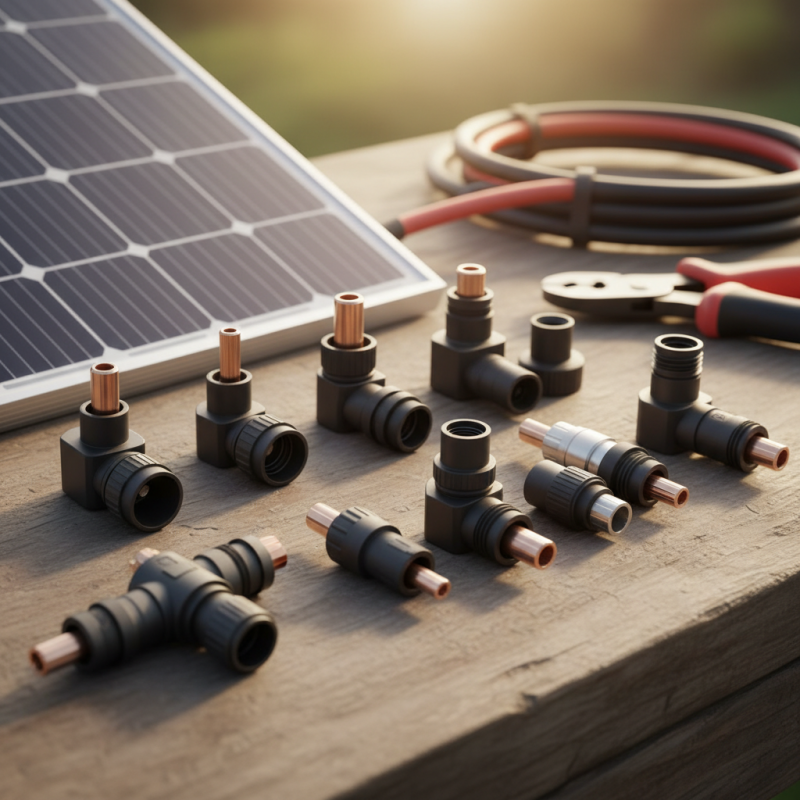
When it comes to photovoltaic systems, choosing the right connectors is crucial. There are several types available, each serving unique purposes. Common types include MC4 connectors, which are widely used for their reliability and ease of installation. They are designed for outdoor use and can handle harsh weather conditions.
Another type is the T connector. This connector enables multiple panels to connect efficiently. It is useful in larger systems where space is limited. However, it can complicate maintenance. Understanding their specific applications can greatly influence overall system performance.
Lastly, there's the branch connector. This type can link multiple cables together. It's convenient but may introduce connection points that require careful handling. If not installed properly, this could lead to energy losses. Overall, knowing the types of photovoltaic connectors helps maximize efficiency. But, one must remain attentive to their unique requirements and potential challenges.
How to Choose the Right Photovoltaic Connectors for Your System? - Types of Photovoltaic Connectors and Their Applications
| Connector Type | Application | Voltage Rating (V) | Current Rating (A) | Temperature Range (°C) |
| MC4 | Standard Solar Applications | 600 | 30 | -40 to 90 |
| H4 | High Power Modules | 1500 | 30 | -40 to 90 |
| Tyco | General Wiring | 600 | 40 | -40 to 80 |
| Anderson | Battery Storage Systems | 600 | 175 | -20 to 105 |
| JST | Compact Devices | 300 | 3 | -25 to 85 |
Factors to Consider When Choosing Photovoltaic Connectors
Choosing the right photovoltaic (PV) connectors is crucial for efficiency and safety. Start by assessing the type of solar panels and inverters you are using. Different systems may require specific connectors. Ensure compatibility with other components to avoid performance issues.
Consider the environmental conditions where the system will operate. Connectors exposed to harsh elements need to be durable. Look for connectors that are weatherproof and can withstand UV exposure. Durability is key. If you live in a humid area, resistance to corrosion becomes essential.
**Tip:** Always check the rated current and voltage of the connectors. They should match your system's requirements. Mismatched ratings can lead to overheating and failure.
It’s also important to evaluate the ease of installation. Some connectors are easier to work with than others. A complex installation process can lead to mistakes. Aim for a balance between reliability and convenience.
**Tip:** Read customer reviews to get a sense of their experiences. What worked for them might not work for you, but insights can be valuable. Be cautious of overly optimistic claims. Reflect on your specific needs before deciding.
Compatibility with Solar Panels and Inverters
When selecting photovoltaic connectors, compatibility with solar panels and inverters is crucial. Different systems require specific connectors. For example, some panels use MC4 connectors while others might need different types. It’s essential to check the specifications of your solar panels and inverters before purchasing connectors.
Incorrectly matched connectors can lead to inefficiencies. A poor fit may cause energy loss. For instance, using incompatible connectors can result in overheating or damage. This situation necessitates careful research. Look at the technical sheets that detail compatibility.
Another consideration is environmental factors. Connectors need to withstand various weather conditions. Some may wear out quicker, leading to costly replacements. Be wary of cheap options that might not endure. Investing in durable connectors could save time and money in the long run. Always analyze the long-term implications of your choices.
Ensuring Safety and Efficiency in Your Connector Choice
Choosing the right photovoltaic connectors is critical for safety and efficiency. In 2022, a report from the International Energy Agency highlighted that up to 10% of energy loss can occur due to poor connector performance. Proper connectors enhance energy flow and minimize losses.
When selecting connectors, look for high temperature and humidity ratings. Connectors should withstand varying weather conditions. According to Solar Power World, connectors with a rating of IP68 are ideal for outdoor systems. This ensures that they resist water and dust, enhancing longevity.
Many installations overlook connector quality. Research shows that subpar connectors can lead to overheating issues. In fact, around 20% of failures in photovoltaic systems are connector-related. Regular inspections can help detect these problems early. Choosing the right connector is about more than just efficiency; it's also about maintaining a safe system that operates reliably over its lifespan.