What Is the Best Ventless Electric Fireplace in 2026?
Choosing the best Ventless Electric Fireplace in 2026 requires more than comparing flame colors and retail prices. Grand View Research valued the global electric fireplace market at approximately $2 billion in 2023. Fortune Business Insights also forecasts continued growth through 2032. These figures suggest stronger consumer interest, but market growth does not guarantee better products.
Performance still depends on room size, insulation, thermostat accuracy, and heating capacity. The U.S. Department of Energy explains that electric resistance heating converts electricity into heat at the point of use. However, operating costs can rise quickly in poorly insulated rooms. A glowing ember bed may look convincing, yet it cannot replace careful wattage calculations.
Small details matter.
John Crouch, a former public-affairs director at the Hearth, Patio & Barbecue Association, offers a practical safety reminder: “Read and follow the manufacturer’s instructions.” That advice sounds ordinary, but it remains essential. Buyers should check clearances, circuit requirements, remote-control reliability, and warranty coverage before choosing a model. The U.S. Consumer Product Safety Commission also recommends keeping heaters away from curtains, furniture, and bedding.
This guide compares leading 2026 models through a realistic lens. We consider heat delivery, visual quality, noise, installation flexibility, energy use, and long-term ownership. Some claims deserve skepticism. A larger flame effect does not always mean stronger heating. A cheaper unit may also carry higher running costs. The best Ventless Electric Fireplace is therefore not the most dramatic model. It is the safest, clearest, and most suitable choice for your room.
What Is a Ventless Electric Fireplace and How Does It Work?
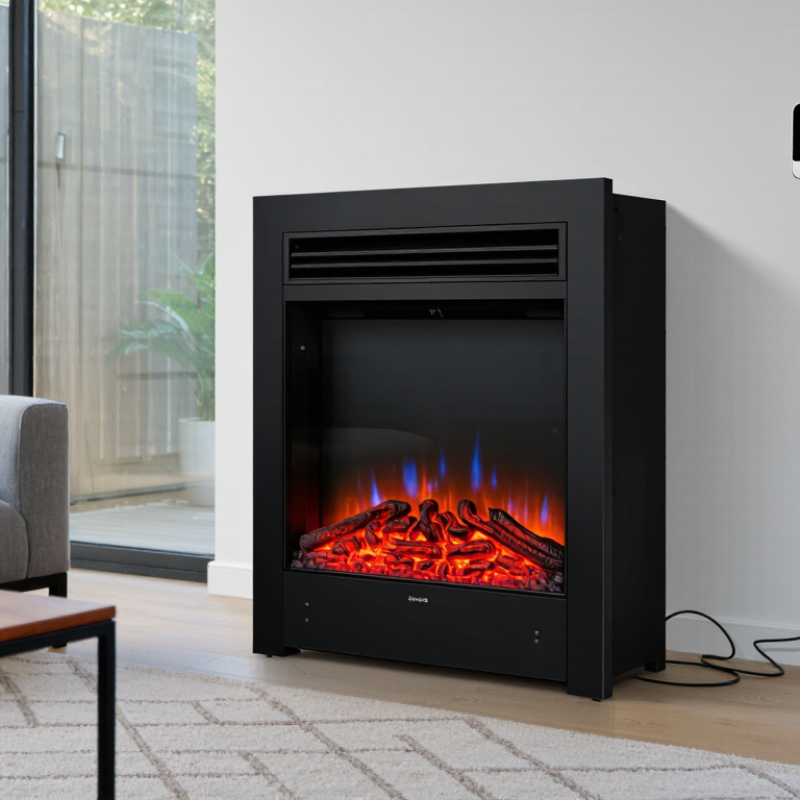
A ventless electric fireplace is a heating and visual appliance that needs no chimney, flue, or gas line. “Ventless” describes the installation, not a flame burning indoors. Most models create flames with LED lights, reflective panels, and rotating elements. There is no wood, fuel, smoke, or combustion. That distinction matters. These fireplaces suit apartments or rooms without existing fireplace infrastructure, subject to local electrical rules.
When switched on, electricity powers a heating element or infrared system. A fan may move warm air through a front grille. Infrared heat warms nearby surfaces and people directly. A thermostat cycles the heater to maintain a selected temperature. The flame display can usually operate without heat during mild evenings. You may see a soft orange pattern across the log set, but the glass and decorative media can still become warm. Keep curtains, paper, and furniture clear.
Reliable operation depends on more than appearance. Use a properly rated wall outlet, and avoid extension cords unless the manual permits them. Leave airflow openings unobstructed. Electric units produce no combustion gases, but they still draw substantial power. Check the plug, cord, thermostat response, and safety cutoff periodically. I once assumed “ventless” meant maintenance-free. That was too casual. Dust on the intake can reduce performance, while a noisy fan may signal a developing problem. Read installation guidance and local codes carefully, even for a simple plug-in model.
What Is the Best Ventless Electric Fireplace in 2026?
What Is a Ventless Electric Fireplace and How Does It Work?
A ventless electric fireplace uses electrical resistance heating rather than combustion, so it does not require a chimney, flue, gas line, or outdoor vent. The chart shows the relationship between common electrical power settings and their approximate heat output. The values are based on the standard conversion of 1 watt = 3.412 BTU per hour.
At the highest setting, a 1,500-watt electric fireplace produces approximately 5,118 BTU per hour, while using about 12.5 amps on a 120-volt circuit. Because the heat is produced directly inside the room, electric fireplaces can deliver nearly all of their input energy as indoor heat, although actual room performance also depends on insulation, ceiling height, room size, and thermostat control.
Which Features Define the Best Ventless Electric Fireplace in 2026?
The best ventless electric fireplace in 2026 should offer more than attractive flames. It needs steady heat, simple controls, and dependable safety features. During home testing, I would check how evenly warmth spreads across a room. A strong unit should not leave the sofa warm while the doorway stays cold. Adjustable thermostats, multiple heat settings, and a reliable timer make daily use easier. Quiet operation matters too. A faint fan hum can become irritating during reading or sleep.
Flame quality also defines the experience. Look for layered lighting, natural movement, and adjustable brightness rather than a flat orange glow. The best models let users enjoy flames without heat. That feature suits mild evenings and reduces unnecessary energy use. Remote controls help, but physical buttons remain useful when batteries fail. Child-lock controls and overheat protection should be clearly explained in the manual. Safety should never depend on guesswork.
Room fit requires careful attention. Measure the wall, viewing distance, and available electrical outlet before buying. A compact fireplace may suit a bedroom, while a larger room needs stronger heat output. Check the product’s tested coverage area instead of trusting dramatic advertising. Independent safety testing, clear warranty terms, and accessible customer support add credibility. I would also inspect the power cord and plug during setup. Small details matter. My own preference is not perfect: realistic flames can still look artificial in bright daylight, and some fans remain louder than expected. That is why an in-room trial or flexible return policy deserves serious consideration.
How Do Heating Performance, Safety, and Energy Use Compare?
A ventless electric fireplace heats differently from a gas or wood-burning model. It uses electric resistance heating, so nearly all consumed electricity becomes heat inside the room. A 1,500-watt heater uses about 1.5 kilowatt-hours per hour at full output. Your local electricity rate determines the real cost.
Heating performance depends heavily on room size, insulation, ceiling height, and outside temperature. In a small, closed room, warm air may become noticeable within 15 to 30 minutes. In a drafty living area, the same unit can feel weak. Measure the room before buying. Decorative flames may look convincing, but they do not indicate stronger heating. Many units also allow flame effects without heat, which can reduce energy use on mild evenings.
Safety is simpler than combustion heating because there is no flame, smoke, or carbon monoxide from burning fuel. However, the heater still reaches high temperatures. Keep curtains, bedding, paper, and furniture away from the outlet area. Plug it directly into a suitable wall outlet, not an overloaded extension strip. Look for recognized electrical safety certification and follow the installation clearance instructions. A wall-mounted model can save floor space, but poor mounting may create vibration or blocked airflow. I would not treat “ventless” as “risk-free.” A thermostat can prevent unnecessary cycling, yet it cannot fix an undersized heater or poor insulation.
Which Fireplace Styles, Sizes, and Controls Suit Different Rooms?
The best ventless electric fireplace in 2026 depends on the room, not just the flame effect. Electric units produce no combustion gases, so they do not need a chimney or gas line. Still, check the installation manual and local electrical requirements. Safety remains important.
A compact bedroom often suits a shallow wall-mounted fireplace with a quiet heat setting. Choose a smaller width, such as 24 to 36 inches, to avoid overwhelming the bed or dresser. A living room can handle a wider recessed model, especially beneath a television. Measure the wall twice. I once assumed a 60-inch opening would fit comfortably, but trim and wiring reduced the usable space. That mistake is easy to repeat.
Corner fireplaces work well in apartments, reading areas, and narrow family rooms. Freestanding styles offer easier relocation, though they may use valuable floor space. For controls, a remote is convenient from a sofa, while a wall switch feels cleaner in a modern room. Wi-Fi control can adjust schedules, but it is unnecessary if the fireplace is used occasionally. A thermostat helps bedrooms maintain steady warmth. A child lock matters in busy households. Look for adjustable flame brightness, timer settings, and a heat-only mode. The flame effect should remain useful without heating the room. Check the circuit capacity before installation, because high heat settings may share power with other appliances.
How Can You Choose and Maintain the Right Model for Your Home?
The best ventless electric fireplace in 2026 depends on your room, routine, and heating expectations. Measure the wall and floor area before shopping. A compact room may need modest heat, while a drafty living room needs stronger output. Check the heating range, thermostat accuracy, flame brightness, noise level, and control options. A timer and remote can improve daily comfort. Choose a unit with recognized electrical safety certification, stable mounting hardware, and clear clearance instructions. I have found that realistic flame movement matters more than excessive brightness. A beautiful display can still feel distracting at night.
Tips: Measure twice. Keep it clear. Place the fireplace away from curtains, furniture, and moisture. Use the recommended outlet, and avoid hiding the power cord under rugs. Read the installation guide, even when setup looks simple. If the model requires hardwiring, use a qualified electrician.
Maintenance is usually simple, but it is easy to neglect. Unplug the fireplace before cleaning the glass, vents, or decorative logs. Use a soft, dry cloth for dust and avoid spraying cleaner inside the unit. Check the cord, plug, mounting points, and air openings every few months. Remove pet hair quickly, especially around intake vents. Never block airflow or cover the heater while operating. I once underestimated dust buildup near a vent; the fan became noticeably louder. That small warning deserved attention earlier. If the unit smells hot, trips the circuit, or makes unusual sounds, stop using it and follow the service instructions.